 Posted by
 Switzerland is one of the richest and most expensive countries in the world, and this also applies to the popular tourist region of the Bernese Oberland. Compared to neighboring countries such as Germany or Austria, many prices are 50 to 100 percent higher. This affects accommodation, food, transport and especially mountain railways.
Prices in the Bernese Oberland can vary significantly depending on the season, location and travel style. Winter (ski season) and summer are the most expensive periods. In this article you will find a realistic overview of the price level in the Bernese Oberland, based on typical travel expenses.
Prices for accommodation in the Bernese Oberland
Accommodation is usually the largest expense on a trip to the Bernese Oberland. Especially in well-known places such as Interlaken, Wengen or Grindelwald, prices are high throughout the year.
Hotels:
In high season, hotel prices typically range from CHF 100 to CHF 500 per night for a double room, depending on category and location. Breakfast often costs an additional CHF 15 to 30 per person. Budget hotels are rare, especially in winter.
Holiday apartments:
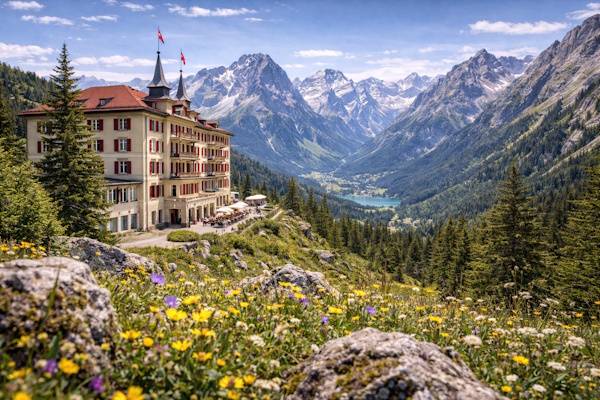
Holiday apartments and chalets usually start at around CHF 100 per night. Prices increase quickly with size, location and amenities. Self-catering apartments are often the most economical option, especially for longer stays.
Hostels and B&Bs:
Hostels and simple guesthouses are available from around CHF 50 to CHF 150 per night. Due to the high general price level in Switzerland, many travelers choose shared rooms, especially in places like Interlaken.
Prices for food in the Bernese Oberland
Eating out in Switzerland is expensive, and the Bernese Oberland is no exception.
Restaurants:
A main course in a typical restaurant usually costs between CHF 20 and CHF 40. Drinks are also expensive. A simple dinner for two people often exceeds CHF 100. Lunch menus during weekdays can be slightly cheaper.
Fast food is not cheap either. A kebab often costs more than CHF 10, and a simple pizza is rarely available for under CHF 20. Even international chains such as McDonald’s are significantly more expensive than in Germany.
Supermarkets and self-catering:
Buying groceries and cooking yourself is the cheapest way to eat in Switzerland. Discount chains such as Lidl offer prices only slightly higher than in Germany. Many travelers shop there and prepare meals in holiday apartments.
It is also possible to bring food from abroad, but Swiss customs strictly control imports. For example, only 1 kilogram of meat per person is allowed.
Prices for activities and sights in the Bernese Oberland
Activities and mountain transport are another major cost factor in the Bernese Oberland.
Skiing:
A ski day pass typically costs between CHF 50 and CHF 80, depending on the ski area and season.
Hiking and cable cars:
Hiking trails are generally free, but cable cars and mountain railways are expensive. A trip to the Jungfraujoch, Europe’s highest railway station, costs over CHF 250 per person from Interlaken.
Even short rides can be costly. The Harderbahn, a ride of less than ten minutes, costs more than CHF 40 for a return ticket.
🎟️ Jungfraujoch Tickets – Book Early & Secure Your Spot
The Jungfraujoch – Top of Europe is one of Switzerland’s most popular attractions.
Tickets often sell out quickly, especially in high season.
Booking online in advance is the safest and easiest option.
🚆 Train & cable car tickets (round trip)
Direct access to the Jungfraujoch – no planning stress.
👨🏫 Guided tours from Interlaken
Often only slightly more expensive than tickets alone – with expert guide included.
Prices for public transport in the Bernese Oberland
Public transport in Switzerland is reliable but expensive. Train and bus tickets can add up quickly. For example, a return ticket from Interlaken to Bern (around one hour travel time) costs over CHF 50.
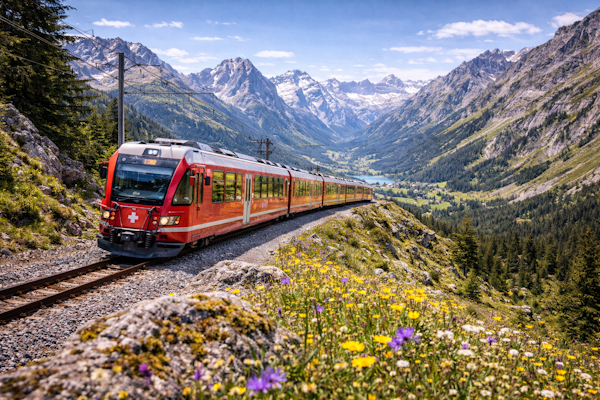
Regional passes such as the Swiss Travel Pass or the Bernese Oberland Pass can help reduce costs, especially for longer stays.
Parking is also expensive, and free parking spaces are much rarer than in neighboring countries such as Germany.
Overall, travelers should plan a significantly higher daily budget for the Bernese Oberland than for most other European destinations. Only a few regions, such as Norway, have a comparable price level.