 Posted by
 Geneva (Genève) is one of Switzerland’s most international and culturally rich cities. Located at the western tip of Lake Geneva (Lac Léman), close to the French border, the city combines lakeside scenery, historic old town charm, diplomatic institutions and easy access to the Alps. Geneva is known worldwide as the European headquarters of the United Nations and as the birthplace of the Red Cross. At the same time, it offers relaxed promenades, historic architecture and excellent museums.
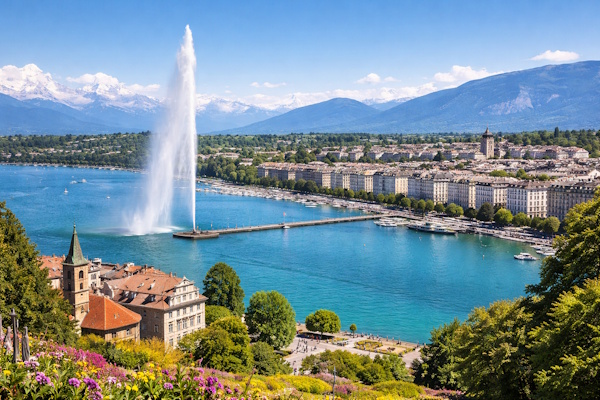
This comprehensive Geneva travel guide covers everything international visitors need to know: location and arrival, history, main attractions, practical tips, best time to visit, recommended stay duration, day trip ideas, pros and cons, and a detailed FAQ section. The goal is to help you decide whether Geneva deserves a place in your Switzerland itinerary.
Location & How to Get to Geneva
Geneva is located in western Switzerland in the canton of Geneva. The city sits where the Rhône River flows out of Lake Geneva. France surrounds the canton on three sides, making Geneva geographically unique within Switzerland.
By Plane
Geneva Airport (GVA) is one of the country’s main international airports. It offers direct connections to major European cities as well as long-haul destinations. The airport is only about 4 km from the city center.
- Train from airport to central station (Geneva Cornavin): approx. 7 minutes
- Frequent city buses connect airport and downtown
- Taxis are available but relatively expensive
By Train
Switzerland’s railway system is reliable and efficient. Geneva is well connected to other major cities:
- Zurich: 2.5–3 hours
- Bern: about 2 hours
- Lausanne: 35–45 minutes
- Interlaken: approx. 3 hours
If you are combining Geneva with other parts of Switzerland, our overview of where to go in Switzerland provides helpful planning ideas.
By Car
Driving to Geneva is straightforward via Swiss motorways. However, parking in the city center is limited and costly. Public transport is generally more convenient.
History of Geneva
Geneva’s history stretches back over 2,000 years. Originally settled by Celtic tribes, it became an important Roman town due to its strategic location on trade routes.
During the Middle Ages, Geneva developed into a fortified city. In the 16th century, it gained international significance as a center of the Protestant Reformation under John Calvin. This period shaped the city’s religious and political identity.
In the 19th century, Geneva became known for diplomacy and humanitarian work. The International Committee of the Red Cross was founded here in 1863. After World War I, Geneva hosted the League of Nations. Today, it remains one of the world’s most important diplomatic hubs.
Main Attractions in Geneva
Lake Geneva & Jet d’Eau
Lake Geneva is the largest lake in Central Europe and dominates the city’s landscape. The Jet d’Eau fountain shoots water 140 meters into the air and is visible from many parts of the city. It has become Geneva’s most recognizable symbol.
The lakeside promenade is ideal for walking, cycling or relaxing. On clear days, the view extends to the Alps and Mont Blanc in the distance.
Old Town (Vieille Ville)
Geneva’s Old Town is the largest historic center in Switzerland. It features narrow cobbled streets, small squares and centuries-old buildings.
- St. Pierre Cathedral: Climb the tower for panoramic views over the city and lake.
- Place du Bourg-de-Four: One of the oldest squares in Geneva.
- Maison Tavel: A museum showcasing Geneva’s urban history.
United Nations Office (Palais des Nations)
The Palais des Nations is the European headquarters of the United Nations. Guided tours allow visitors to see assembly halls and learn about global diplomacy.
International Red Cross and Red Crescent Museum
This museum offers interactive exhibitions about humanitarian aid, human rights and global crises. It provides deeper insight into Geneva’s international importance.
Patek Philippe Museum
Switzerland is famous for watches, and this museum displays centuries of watchmaking history. It is a highlight for visitors interested in craftsmanship and design.
Geneva City Tour & Lake Cruise
Geneva City Tour & Lake Geneva Cruise
Discover Geneva’s old town, international district and enjoy a relaxing cruise on Lake Geneva. A convenient way to see the main highlights in one excursion.
Practical Visitor Tips
- Geneva is expensive. Budget carefully for accommodation and dining.
- Public transport is efficient and often included free with hotel stays.
- Book museum tickets online during peak season.
- Bring comfortable walking shoes.
For a comparison with Alpine destinations, consider reading about Interlaken or scenic lakes such as Lake Thun and Lake Brienz.
Find Hotels in Geneva
Compare hotels, guesthouses and apartments on Booking.com.
Best Time to Visit Geneva
- Spring: Mild weather, fewer tourists.
- Summer: Best for lake cruises and festivals.
- Autumn: Cooler, quieter atmosphere.
- Winter: Ideal for museums and nearby ski excursions.
How Long Should You Stay?
Two to three days are enough to explore the city’s main attractions. For travelers combining Geneva with Alpine or lakeside excursions, four to five days provide a more relaxed pace.
Combine Geneva with Other Swiss Destinations
Pros & Cons of Visiting Geneva
Pros
- International atmosphere
- Beautiful lakeside setting
- Rich history and museums
- Excellent transport connections
Cons
- High prices
- Less “Alpine village” atmosphere
- Weather can limit lake activities
Is Geneva Worth Visiting?
Geneva is worth visiting if you are interested in international politics, history, lake scenery and urban Swiss culture. While it differs from mountain resorts, it provides a distinct and globally important perspective on Switzerland.
FAQ – Geneva
Is Geneva expensive?
Yes. Geneva is one of the most expensive cities in Switzerland and Europe, especially for accommodation, dining and attractions. Planning and booking ahead can help manage costs.
How many days should I spend in Geneva?
2–3 days are usually sufficient to explore the main city attractions, including the lakefront, old town, museums and international institutions. Add extra days if you plan nearby excursions or relaxed sightseeing.
Is English widely spoken in Geneva?
Yes. While French is the official language, English is widely spoken in hotels, shops, restaurants and major tourist areas.
Can I swim in Lake Geneva?
Yes. There are designated swimming areas and public baths along the lake, especially popular during summer. Water quality is high, but temperatures can be cool.
Is it safe to walk around Geneva?
Generally, yes. Geneva is considered safe for tourists, with low violent crime. As with any city, take normal precautions, especially at night and around transport hubs.
Do I need a travel pass for public transport?
Many hotels in Geneva include a free local transport card for guests. Otherwise, you can purchase individual tickets or a “Geneva Transport Card” for unlimited travel on buses, trams and local trains within the city.
Are lake cruises included in city passes?
Some travel passes and city cards offer lake cruise discounts or free short cruises. Check the latest benefits of passes such as the Geneva Pass before your trip.
Can I take day trips from Geneva?
Yes. Popular day trips include Montreux & Château de Chillon on Lake Geneva, Lausanne, nearby vineyards and even mountains like Les Diablerets. Train connections throughout Switzerland make day trips easy.
Is Geneva dog-friendly?
Many outdoor areas, parks and promenades are dog-friendly, but local rules around public transport, indoor spaces and leash requirements should be followed.
What is the best time to visit Geneva?
Summer (June–August) offers warm weather and festivals, while spring and autumn are quieter and pleasant for sightseeing. Winter is ideal for cultural attractions and nearby ski day trips.
Does Geneva have a nightlife scene?
Yes. Geneva offers a variety of bars, lounges, live music venues and clubs, especially around the Paquis and Eaux-Vives districts. However, nightlife is more relaxed compared to larger European capitals.
Can I visit Geneva on a budget?
Yes, with careful planning. Free walks around the old town, lakeside picnics, visit to parks, and discounted museum days can help manage costs, but accommodation and transport still require budgeting due to Swiss price levels.