 Posted by
 Zermatt is one of the most famous mountain resorts in Switzerland. Located at the foot of the Matterhorn, the village attracts visitors from all over the world. The combination of dramatic Alpine scenery, traditional wooden chalets, car-free streets and high-quality infrastructure makes Zermatt a unique destination in the Swiss Alps.
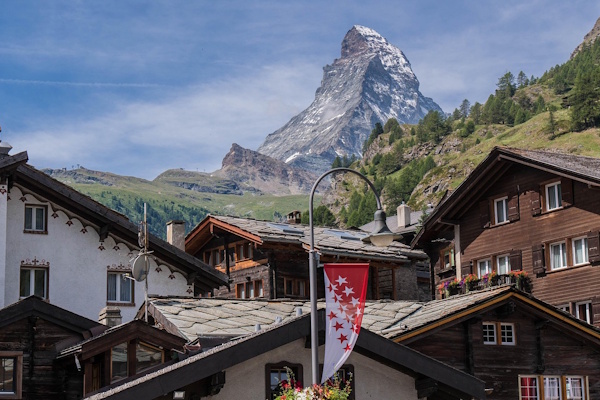
In this detailed travel guide, you will find everything you need to know about visiting Zermatt: location and transport, history, main attractions, practical tips, the best time to visit, how long to stay, and whether it is worth the trip. The guide is written for international travelers planning a visit to Switzerland and especially the Alpine region.
Location & How to Get to Zermatt
Zermatt is located in the canton of Valais in southern Switzerland, close to the Italian border. The village sits at around 1,600 meters above sea level and is surrounded by high peaks, including the famous Matterhorn.
By Train
Zermatt is car-free. Visitors must park in the village of Täsch (about 5 km away) and continue by shuttle train. Regular trains connect Täsch and Zermatt every 20 minutes.
From major cities:
- From Zurich: around 3.5–4 hours
- From Geneva: around 3.5 hours
- From Bern: about 2–2.5 hours
If you are exploring more of the Bernese Oberland region, check our guide to airports in the Bernese Oberland for flight planning options.
By Car
You can drive to Täsch and park in a multi-storey car park. From there, take the train to Zermatt. Private cars are not allowed in the village itself.
By Scenic Rail
Zermatt is also a stop on the famous Glacier Express route. If you are interested in Swiss mountain railways, see our overview of cog railways in Switzerland.
History of Zermatt
Zermatt was originally a small farming village. For centuries, residents lived from agriculture and livestock. The transformation into a world-famous resort began in the 19th century with the rise of Alpine mountaineering.
The first ascent of the Matterhorn in 1865 marked a turning point. The dramatic expedition attracted international attention and established Zermatt as a mountaineering center. Soon after, hotels were built, and rail connections improved access.
Today, tourism is the backbone of the local economy, but the village has preserved much of its traditional character.
Main Attractions in Zermatt
The Matterhorn
The Matterhorn is one of the most recognizable mountains in the world. Its pyramid shape defines the skyline of Zermatt. Even if you do not climb it, simply viewing it from the village or surrounding viewpoints is impressive.
Gornergrat Railway
The Gornergrat cog railway takes visitors up to 3,089 meters. From the summit, you enjoy panoramic views of glaciers and several 4,000-meter peaks. This is one of the highlights of any trip to Zermatt.
Gornergrat Railway Experience
Take the historic cog railway from Zermatt to Gornergrat and enjoy spectacular views of the Matterhorn and surrounding glaciers.
Sunnegga & Rothorn
Sunnegga is a popular family-friendly area with hiking trails and a small lake. From there, you can continue to Rothorn for higher-altitude views.
Hiking Trails
Zermatt offers a wide range of hiking options, from easy walks to demanding Alpine routes. If you plan to hike elsewhere in the region, our guide to hiking in the Bernese Oberland gives useful comparisons.
Matterhorn Glacier Paradise
This is the highest cable car station in Europe at 3,883 meters. Visitors can see glaciers up close and enjoy year-round snow.
Practical Visitor Tips
- Book accommodation early during peak season.
- Bring layered clothing, even in summer.
- Expect high prices – Switzerland is expensive. See our overview of prices in Switzerland.
- Start mountain excursions early in the morning for clearer views.
Find Hotels in Zermatt
Compare hotels, guesthouses and apartments on Booking.com.
Best Time to Visit Zermatt
Zermatt is a year-round destination.
Winter
From December to April, the region is ideal for skiing and snowboarding.
Summer
From June to September, hiking and mountain excursions are the main activities.
Shoulder Seasons
May and October are quieter but some lifts may be closed.
How Long Should You Stay?
For most visitors, 2 to 3 days are sufficient to see the main attractions. If you enjoy hiking or skiing, 4 to 5 days are recommended.
If you plan a broader itinerary in Switzerland, consider combining Zermatt with Interlaken or explore more destinations listed in our guide to where to go in Switzerland.
Combine Zermatt with Other Destinations
Zermatt can be combined with other Alpine highlights:
These destinations are part of the wider Alpine region and offer different perspectives of the Swiss mountains.
Pros & Cons of Visiting Zermatt
Pros
- Iconic Matterhorn views
- Car-free, clean environment
- Excellent mountain infrastructure
- Year-round activities
Cons
- High prices
- Can be crowded in peak season
- Weather-dependent mountain views
Is Zermatt Worth Visiting?
Zermatt is worth visiting if you want to experience one of the most iconic mountain landscapes in Europe. The Matterhorn alone makes it special. While prices are high, the infrastructure, scenery and overall quality are excellent.
For travelers interested in Alpine destinations, Zermatt remains one of the highlights of Switzerland.
FAQ – Zermatt
Is Zermatt really car-free?
Yes. Zermatt is officially car-free. Private combustion-engine cars are not allowed in the village. Visitors must park in Täsch and take a shuttle train to Zermatt. Inside the village, you will mainly see electric taxis and small electric hotel vehicles.
How expensive is Zermatt?
Zermatt is one of the more expensive destinations in Switzerland and Europe. Accommodation, restaurants and mountain railways are priced at a premium level. For a broader overview of typical costs in the country, see our guide to prices in Switzerland. Budget travelers can reduce costs by staying in simpler guesthouses or visiting outside peak season.
What is the best viewpoint of the Matterhorn?
Popular viewpoints include Gornergrat, Sunnegga and Rothorn. Early morning often offers the clearest views before clouds build up. Even from the village center, you can enjoy impressive perspectives of the mountain.
How high is Zermatt?
The village of Zermatt is located at approximately 1,600 meters above sea level. Excursion points such as Gornergrat (3,089 m) and Matterhorn Glacier Paradise (3,883 m) are much higher.
Can you visit Zermatt as a day trip?
Yes, a day trip is possible, especially from cities like Bern, Geneva or Zurich. However, travel times are relatively long. To fully enjoy at least one mountain excursion, staying one or two nights is recommended. If you are planning a broader Swiss itinerary, our overview of day trips in Switzerland can help with comparisons.
Is Zermatt suitable for families?
Yes. Areas like Sunnegga offer family-friendly hiking trails and playgrounds. Cable cars and trains are modern and safe. In winter, there are ski schools for children.
Do you need to book mountain railways in advance?
During high season (summer and winter holidays), booking tickets in advance is advisable, especially for popular routes such as Gornergrat or Matterhorn Glacier Paradise. In quieter months, same-day tickets are usually available.
Is English widely spoken in Zermatt?
Yes. Zermatt is an international tourist destination. English is widely spoken in hotels, restaurants and mountain stations. German is the official language, but communication in English is rarely a problem.
When can you see snow in Zermatt?
Snow is common from late autumn to spring. At higher elevations, such as Matterhorn Glacier Paradise, snow can be present year-round.