 Posted by
 Switzerland is famous for dramatic Alpine scenery, pristine lakes and well-maintained hiking trails. But beyond postcard views, the country also protects large areas of untouched wilderness. Swiss national parks and nature reserves preserve wildlife habitats, glaciers, alpine meadows and forests — offering visitors a chance to experience authentic Alpine ecosystems.
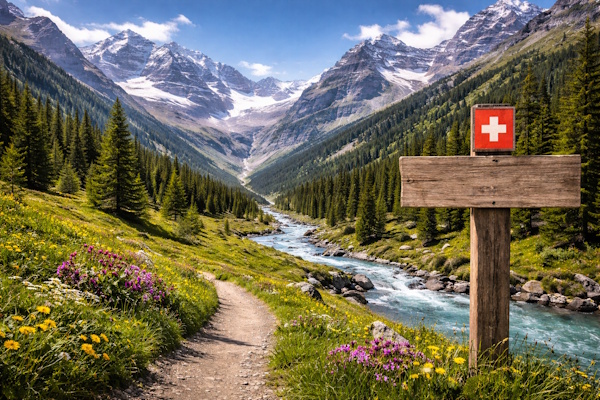
This in-depth guide explains everything you need to know about Swiss national parks, including the famous Swiss National Park, regional nature parks, hiking options, wildlife, best visiting seasons, practical travel tips and whether visiting a national park in Switzerland is worth it.
Guided Nature & Wildlife Tours in Switzerland
Explore protected landscapes, glaciers and alpine wildlife with experienced local guides across Switzerland’s most scenic regions.
Find Hotels Near Swiss National Parks
Stay close to hiking trails and wildlife areas for early morning mountain experiences.
How Many National Parks Are There in Switzerland?
Switzerland officially has one traditional national park — the Swiss National Park in the Engadine region of Graubünden. However, the country also has:
- Regional nature parks
- Nature reserves
- UNESCO-protected alpine areas
- Landscape parks
These protected zones together form one of Europe’s most extensive nature conservation systems.
The Swiss National Park (Graubünden)
Founded in 1914, the Swiss National Park is the oldest national park in the Alps. It covers over 170 square kilometers of strictly protected mountain wilderness.
- Location: Eastern Switzerland (Engadine Valley)
- Altitude: 1,400 – 3,200 meters
- Status: Strict nature protection
- Access: Hiking only
Unlike many other European parks, this park follows a strict “leave nature untouched” principle. Visitors must stay on marked trails and are not allowed to camp freely or pick plants.
Wildlife in the Swiss National Park
The park is home to:
- Red deer
- Chamois
- Ibex
- Golden eagles
- Marmots
You can learn more about alpine animals in our guides on
Swiss Ibex,
Marmots in Switzerland and
Golden Eagles.
Regional Nature Parks in Switzerland
In addition to the national park, Switzerland has more than 15 regional nature parks. These areas allow sustainable tourism, agriculture and local communities while protecting landscapes.
Examples Include:
- UNESCO Swiss Alps Jungfrau-Aletsch region
- Parc Ela (Graubünden)
- Thal Nature Park
- Gantrisch Nature Park
The Bernese Oberland, described in our
Bernese Oberland fauna guide, contains some of the most impressive alpine habitats in the country.
Best National Park Experiences in Switzerland
1. Hiking Through Alpine Meadows
Well-marked trails lead through forests, past waterfalls and into high mountain valleys. See
Hiking in the Bernese Oberland for regional routes.
2. Wildlife Observation
Early morning and late afternoon are ideal for spotting ibex and marmots.
3. Glacier Views
Many parks offer views of Alpine glaciers, including areas near the
Jungfraujoch.
4. Scenic Mountain Railways
Cog railways and cable cars provide access to high-altitude viewpoints. See our guide to
Swiss Cog Railways.
Best Time to Visit Swiss National Parks
Spring (May – June)
- Wildflowers bloom
- Snow melting at higher elevations
- Fewer tourists
Summer (July – September)
- Best hiking conditions
- Wildlife activity high
- Peak season
Autumn (October)
- Colorful forests
- Quieter trails
- Cooler temperatures
Winter
Most high mountain trails close. Snowshoeing and winter hiking are possible in some regional parks.
How to Get There
The Swiss National Park is reachable by train to Zernez. From there, hiking trails begin directly at the visitor center.
For broader travel planning, see:
How Long Should You Stay?
- Half-day: Short panoramic hike
- 1 day: Full hiking route
- 2–3 days: Multi-day exploration
Many travelers combine a park visit with nearby cities such as Zurich or Geneva.
Rules and Restrictions
Swiss parks emphasize conservation. Common rules include:
- Stay on marked trails
- No wild camping
- No picking plants
- No drones
- Dogs prohibited in core areas
Pros & Cons of Visiting Swiss National Parks
Pros
- Unspoiled landscapes
- Excellent hiking infrastructure
- Rich wildlife
- Year-round scenic value
Cons
- Strict rules in core zones
- Weather dependent
- High-altitude hiking required
Is Visiting a Swiss National Park Worth It?
Yes. Swiss national parks provide one of the most authentic Alpine experiences in Europe. They combine biodiversity, dramatic landscapes and well-organized hiking infrastructure while maintaining strict environmental protection.
For travelers interested in nature beyond cities and famous peaks, a visit to Switzerland’s protected areas adds depth and diversity to any itinerary.
FAQ – Swiss National Parks
How many national parks are there in Switzerland?
Switzerland has one official national park: the Swiss National Park in the canton of Graubünden. In addition, there are numerous regional nature parks and protected landscapes throughout the country.
Where is the Swiss National Park located?
The Swiss National Park is located in the Engadine Valley in eastern Switzerland, near the town of Zernez in the canton of Graubünden.
Is the Swiss National Park the oldest in Europe?
It is the oldest national park in the Alps and one of the oldest in Europe. It was founded in 1914.
What makes the Swiss National Park special?
The park follows a strict conservation model. Nature is allowed to develop without human intervention. Visitors must stay on marked trails, and activities such as camping or picking plants are prohibited.
Are there other protected parks in Switzerland?
Yes. Switzerland has over 15 regional nature parks, UNESCO-protected landscapes and numerous nature reserves that allow sustainable tourism and conservation.
Can I hike in Swiss national parks?
Yes. Hiking is the main activity. Well-marked trails lead through alpine valleys, forests and high mountain terrain.
Are there entrance fees?
The Swiss National Park does not charge a general entrance fee. However, transportation, parking or guided tours may involve costs.
What wildlife can I see in Swiss national parks?
Common species include red deer, ibex, chamois, marmots and golden eagles. Sightings depend on season and time of day.
When is the best time to visit?
The best time is from June to September when hiking trails are fully accessible. Spring and autumn offer fewer visitors but variable weather conditions.
Can I visit during winter?
Winter access is limited in high alpine areas. Some regional parks offer winter hiking and snowshoe trails, but core zones may be closed.
Are dogs allowed in Swiss National Park?
No. Dogs are generally prohibited in the core area of the Swiss National Park to protect wildlife.
Is camping allowed?
Wild camping is not allowed inside the Swiss National Park. Visitors must stay in designated accommodations outside protected zones.
Can I use drones?
No. Drones are typically prohibited in protected areas to avoid disturbing wildlife.
Is it safe to visit Swiss national parks?
Yes. Switzerland is generally very safe. However, hikers should be prepared for mountain conditions, sudden weather changes and high-altitude terrain.
How do I get to the Swiss National Park?
The park is accessible by train to Zernez. From there, hiking trails begin near the visitor center.
How long should I spend in the park?
A half-day allows for short hikes. A full day or two provides a more immersive experience.
Are guided tours available?
Yes. Guided wildlife and nature tours are available in various regions of Switzerland.
Can families visit Swiss national parks?
Yes. Many trails are suitable for families, although some routes involve elevation gain and require proper footwear.
Are there restaurants inside the Swiss National Park?
There are no restaurants inside the strict core zone. Visitors should bring their own food and water.
Is the Swiss National Park crowded?
Compared to popular tourist destinations, it is relatively quiet. Summer weekends may attract more visitors.
What should I bring when visiting?
Sturdy hiking shoes, weather-appropriate clothing, water, snacks and a map are recommended.
Can I combine the park with other Swiss attractions?
Yes. Many travelers combine it with scenic train journeys, mountain excursions or city visits in Zurich or St. Moritz.
Is visiting a Swiss national park worth it?
Yes. For nature lovers and hikers, Swiss national parks provide an authentic Alpine experience with protected landscapes and rich biodiversity.