 Posted by
 The golden eagle is one of the most impressive birds of prey in Switzerland. With a wingspan of over two meters and powerful flight skills, golden eagles dominate alpine skies across the Swiss Alps. Spotting an eagle soaring above mountain ridges is a highlight for hikers and wildlife enthusiasts.
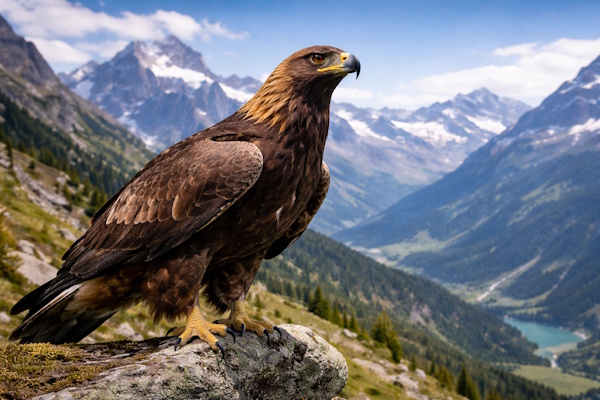
This complete guide explains where to see eagles in Switzerland, the best seasons, identification tips, conservation history, and how to observe them responsibly. Whether you are hiking in the Bernese Oberland, near Zermatt or exploring alpine trails above Grindelwald, eagle sightings are possible with patience and luck.
Alpine Wildlife & Birdwatching Tours
Join guided mountain hikes and wildlife tours where experienced guides help you identify golden eagles and other alpine species.
Find Hotels Near Alpine Wildlife Areas
Stay in mountain regions for early morning wildlife observation opportunities.
Which Eagle Species Live in Switzerland?
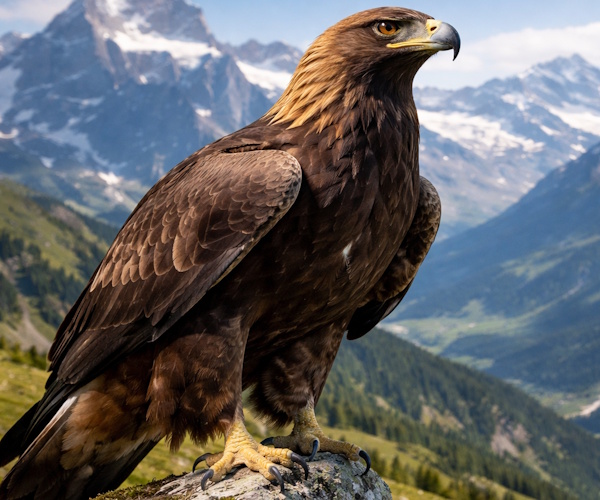
The most notable eagle species in Switzerland is the Golden Eagle (Aquila chrysaetos). It is native to the Alps and one of Europe’s largest birds of prey.
- Wingspan: 180–230 cm
- Weight: 3–6 kg
- Habitat: Alpine cliffs, mountain valleys
- Status: Protected species
Golden eagles are permanent residents in Switzerland and do not migrate long distances.
Where to See Eagles in Switzerland
Golden eagles prefer remote alpine areas with steep cliffs for nesting and open terrain for hunting.
Best Regions
- Bernese Oberland
- Valais region
- Graubünden (Swiss National Park)
- High mountain ridges near Jungfrau region
High alpine hiking routes described in Hiking in the Bernese Oberland provide good vantage points.
Best Time to See Golden Eagles
- Year-round presence
- Best visibility: March to October
- Best time of day: Late morning when thermal currents form
Eagles use rising warm air to glide efficiently above mountain slopes.
How to Identify a Golden Eagle
- Large wingspan
- Long, broad wings
- Golden-brown head and neck
- Slow, powerful wingbeats
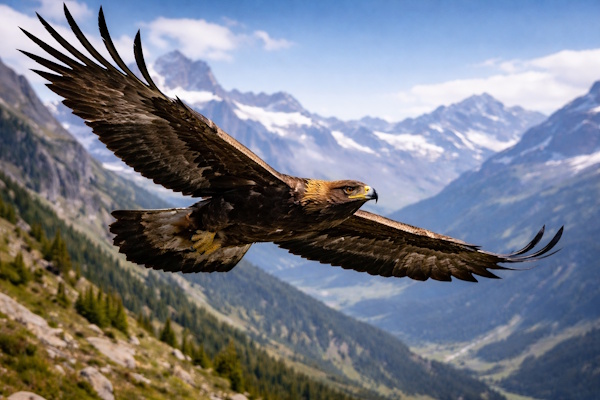
Juvenile eagles have distinctive white patches on their wings and tail.
Are Eagles Dangerous?
No. Golden eagles do not pose a threat to hikers. They hunt small mammals such as marmots and hares. Human encounters are extremely rare and safe when proper distance is maintained.
Compared to animals discussed in dangerous animals in Switzerland, eagles are not a concern for visitors.
What Do Golden Eagles Eat?
- Marmots
- Hares
- Small mammals
- Occasionally birds
In alpine regions, marmots are an important food source.
Conservation History
Golden eagles were once persecuted in parts of Europe. Today, they are fully protected in Switzerland. Conservation measures have allowed stable populations to thrive in alpine regions.
Photography Tips
- Use binoculars to locate birds first
- Bring a telephoto lens (300mm+)
- Position yourself along ridgelines
- Be patient and scan the sky
Golden Eagle vs Bearded Vulture
Switzerland is also home to the bearded vulture (lammergeier), which has been successfully reintroduced.
- Golden eagle: dark brown, broad wings
- Bearded vulture: lighter underside, diamond-shaped tail
Both species can be seen in remote alpine areas.
Pros & Cons of Eagle Watching
Pros
- Free wildlife experience
- Year-round opportunity
- Impressive alpine scenery
Cons
- Sightings not guaranteed
- Requires high-altitude hiking
- Weather dependent
Is It Worth Looking for Eagles in Switzerland?
Yes, especially for birdwatchers and nature photographers. While sightings require patience, golden eagles are among the most majestic animals in the Swiss Alps.
FAQ – Eagles in Switzerland
Are there eagles in Switzerland?
Yes. The main eagle species in Switzerland is the golden eagle (Aquila chrysaetos). It is a native and permanent resident of the Swiss Alps.
Where can I see golden eagles in Switzerland?
Golden eagles live in alpine regions with steep cliffs and open valleys. Good areas include the Bernese Oberland, Valais (around Zermatt), Graubünden and remote high-altitude hiking trails.
Are golden eagles common?
Golden eagles are regularly present in alpine regions, but sightings are not guaranteed. They have large territories and are often seen soaring high above mountain ridges.
When is the best time to see eagles?
Golden eagles can be seen year-round. The best visibility is from spring to autumn, especially on sunny days when thermal air currents allow them to glide.
What time of day is best for eagle watching?
Late morning to early afternoon is ideal. Rising warm air helps eagles soar, making them easier to spot against the sky.
How big are golden eagles?
Golden eagles have a wingspan of approximately 180 to 230 centimeters. They weigh between 3 and 6 kilograms, making them one of Europe’s largest birds of prey.
Are golden eagles dangerous to humans?
No. Golden eagles do not attack hikers or tourists. They hunt small mammals such as marmots and avoid human contact.
What do golden eagles eat?
Their diet mainly consists of marmots, hares and other small mammals. In alpine areas, marmots are a primary food source.
Are golden eagles protected in Switzerland?
Yes. Golden eagles are fully protected under Swiss wildlife laws. Hunting or disturbing nests is illegal.
Can I see eagles near Interlaken or Grindelwald?
Yes. High-altitude hiking routes in the Bernese Oberland offer possible sightings, especially on clear days.
Are there other large birds of prey in Switzerland?
Yes. Switzerland is also home to the bearded vulture (lammergeier), which has been successfully reintroduced in the Alps.
Is eagle watching suitable for families?
Yes. Eagle watching can be combined with hiking and nature activities. However, sightings require patience and binoculars are recommended.
Do golden eagles migrate?
Swiss golden eagles are mostly resident birds and remain in their alpine territories throughout the year.
Is it worth trying to see eagles in Switzerland?
Yes, especially for birdwatchers and nature lovers. While sightings are not guaranteed, observing a golden eagle in flight is one of the most impressive wildlife experiences in the Alps.