 Posted by
 Switzerland is one of the safest countries in Europe for hiking, swimming and outdoor travel. Still, “dangerous animals” exist here — not in the dramatic safari sense, but in realistic, travel-relevant ways. The biggest risks are usually small: ticks that can transmit disease, venomous snakes that can bite if disturbed, and insects that trigger allergic reactions. Larger wildlife such as wolves or lynx is present in parts of the country, but encounters are rare and attacks on humans are extremely unusual.
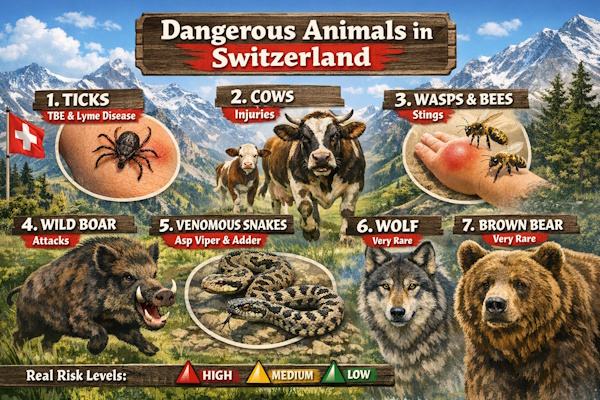
This long, practical guide is written for international tourists. It covers the animals in Switzerland that can realistically cause harm, where you might encounter them, how to reduce risk, what to do in an emergency, and common myths. You do not need to be afraid — but knowing the basics can make hiking and sightseeing more relaxed.
Location & How “Dangerous Animals” Fit into Swiss Travel
Switzerland is a compact country with very diverse landscapes: lowland lakes, forests, vineyards, alpine valleys and high mountains. The animals you might encounter depend heavily on where you travel and what you do:
- City trips (Zurich, Bern, Geneva): Mostly low risk; insects and ticks in parks are still possible.
- Lakes (Lake Thun, Lake Brienz): Water safety and insects matter more than wildlife.
- Alpine hikes: Ticks (lower elevations), snakes (sunny slopes), and occasionally protective livestock animals.
- Remote valleys and forests: Chance of seeing wild mammals is higher, but still low risk.
If you are planning classic tourist areas, you may also find these internal guides useful for trip context:
- Top sights in Switzerland
- Where to go in Switzerland
- Best day trips
- Interlaken travel guide
- Hiking in the Bernese Oberland
- Bernese Oberland fauna overview
- Lake Thun
- Lake Brienz
Tours & Activities in Switzerland
Browse popular tours, tickets and guided experiences across Switzerland. This can be useful if you prefer structured activities over independent hiking.
Find Hotels in Switzerland
Compare hotels, apartments and guesthouses across Switzerland. Useful for multi-stop itineraries and last-minute planning.
History: Wildlife, Mountains, and Modern Tourism
Switzerland’s landscape has always been shaped by human use: farming, alpine pastures, forestry and mountain villages. Over centuries, many large predators disappeared from parts of the Alps, while smaller wildlife remained common. In recent decades, conservation and wildlife management have changed the picture again. Some species have returned to Switzerland naturally, and many protected areas have improved habitats for animals.
For tourists, the practical takeaway is simple: you may read about wolves, lynx or even bears in the Alps, but these animals avoid humans and are rarely encountered. Most real travel risks come from everyday nature exposure: ticks, insects, sun, weather and terrain.
Main “Dangerous” Animals in Switzerland
In a tourism context, “dangerous” usually means one of the following:
- Venomous or biting animals that can cause medical symptoms (snakes, insects).
- Disease vectors that can transmit infections (ticks).
- Large animals that could be dangerous if surprised or approached (rare in Switzerland, but possible).
- Livestock-related risks (protective dogs, cattle with calves) that hikers sometimes underestimate.
Ticks: The Most Important Risk for Hikers
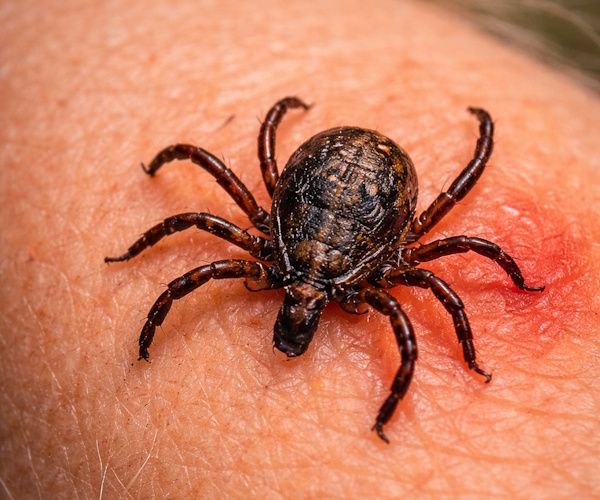
If you hike in Switzerland below high alpine zones, ticks are often the most relevant “dangerous animal.” Ticks are small, easy to miss, and they can transmit illnesses. The two topics travelers most commonly hear about are:
- Tick-borne encephalitis (TBE): a viral infection in some regions; vaccination exists.
- Lyme disease: a bacterial infection; early treatment is important.
Where Ticks Are Most Common
- Forest edges and mixed woodland
- Tall grass and shrubs
- Parks and green areas near towns
- Lower and mid elevations (not typically above very high alpine terrain)
How to Reduce Tick Risk
- Wear long trousers on grassy trails and tuck socks if conditions are dense.
- Use insect repellent (especially on ankles and lower legs).
- Stay on the center of paths when possible.
- Do a tick check after hiking (especially behind knees, groin area, waistline, armpits).
- Shower after hikes when practical; it helps detect ticks early.
What to Do If You Find a Tick
- Remove it as soon as possible with tick tweezers or a tick tool.
- Pull steadily (no twisting tricks needed) and avoid squeezing the body.
- Disinfect the area.
- Watch for symptoms over the next days or weeks (rash, fever, unusual fatigue).
- If you develop symptoms, seek medical advice.
Venomous Snakes in Switzerland
Switzerland has two native venomous snakes. Encounters are uncommon, and bites are rare. Most bites happen when someone steps on a snake or tries to handle it.
Asp Viper (Vipera aspis)
- Typical habitat: sunny rocky slopes, warm hillsides, forest edges, vineyards
- Best known regions: warmer southern and western areas (for example parts of Ticino and Valais)
- How tourists get bitten: stepping close in rocky terrain, reaching into stone gaps
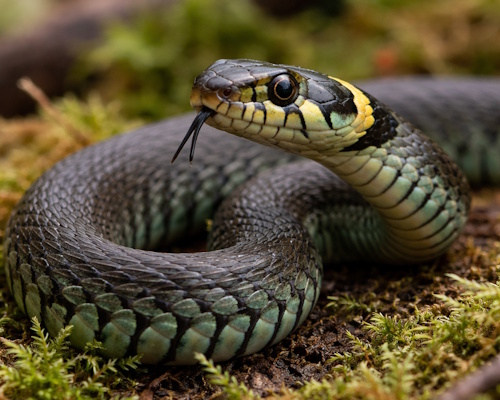
European Adder (Vipera berus)
- Typical habitat: meadows, forest clearings, cooler and alpine landscapes
- Where it may appear: cooler regions and some higher-elevation areas
- Key tourist situations: sitting or placing hands near sunny grass edges and stones
Snake Safety Rules for Hikers
- Wear sturdy hiking shoes, especially on rocky and grassy trails.
- Do not pick up or provoke snakes (even “dead” snakes can cause accidents).
- Look where you place your hands when climbing over rocks or logs.
- Keep dogs on a leash in warm snake habitats.
What to Do After a Snake Bite
- After a snake bite, always seek medical attention immediately.
- In Switzerland, call 144 for medical emergencies.
- Stay calm and limit movement to slow venom spread.
- Keep the bitten limb as still as possible and remove rings or tight clothing.
- Do not cut the wound, do not suck venom, and do not apply ice.
If you want a separate, detailed snake-only guide (with all Swiss snake species), see the structure in our snake content planning, or build a dedicated page and connect it internally from hiking-related articles.
Non-Venomous Snakes: Still Relevant, But Not Dangerous
Switzerland has several harmless snake species that tourists sometimes confuse with vipers. These are not dangerous to humans, but knowing them reduces fear and helps with identification.
- Grass Snake (Natrix natrix): often near water; may show a yellow collar marking.
- Barred Grass Snake (Natrix helvetica): closely related; also near water habitats.
- Dice Snake (Natrix tessellata): aquatic species; seen near rivers and lakes in warmer regions.
- Smooth Snake (Coronella austriaca): shy, often mistaken for a viper; dry slopes and stone walls.
- Aesculapian Snake (Zamenis longissimus): rare; can be long and slender; non-venomous.
- Western Whip Snake (Hierophis viridiflavus): fast-moving; mainly in warmer southern areas.
Wasps, Bees and Hornets: Painful Stings and Allergic Reactions
In summer, stinging insects are one of the most common reasons tourists have unpleasant “animal” experiences. Most stings are painful but harmless. The real danger comes from severe allergic reactions (anaphylaxis) or multiple stings in sensitive areas.
Where You Meet Them
- Outdoor restaurant terraces and picnic spots
- Trash bins and sweet drinks
- Fruit trees and flowering meadows
- Mountain huts and lakeside promenades
How to Avoid Stings
- Do not wave arms or panic; move slowly away.
- Keep sweet drinks covered; use a straw if possible.
- Avoid strong perfumes on hot days.
- Check seating areas for nearby nests in walls or roof edges.
When to Seek Help
- Swelling of lips, tongue or throat
- Difficulty breathing
- Severe dizziness or collapse
- Widespread hives beyond the sting site
If someone has a known allergy, they should carry emergency medication as recommended by their doctor.
Mosquitoes and Biting Insects: Annoying, Sometimes Risky for Comfort
Mosquitoes are mostly a comfort issue in Switzerland, especially near lakes, rivers and wetlands. They can disturb sleep, cause itching and make camping less enjoyable. Practical prevention is usually enough.
- Use repellents in the evening near water.
- Wear light long sleeves when mosquitoes are active.
- Use window screens or keep windows closed with lights on at night.
Large Wildlife: Wolves, Lynx, and Bears
Switzerland has wild mammals that sound dramatic in travel conversations, but they are not a daily reality for tourists.
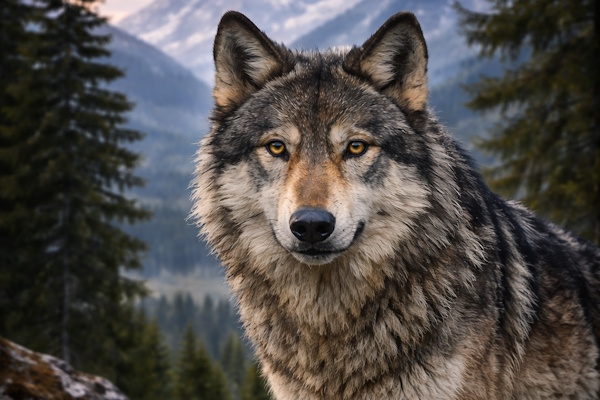
Wolves
Wolves live in certain regions and avoid humans. Tourists almost never see them. If you are hiking early in the morning in remote valleys, a sighting is possible, but a dangerous encounter is unlikely.
Lynx
The Eurasian lynx is even more elusive. Seeing one is rare. They do not pose a meaningful risk to tourists.
Bears
Bear presence is not stable in Switzerland in the same way it is in some other European regions. Occasional movements across borders may happen, but tourist encounters are extraordinarily rare. For practical travel planning, bears are not a big concern.
Wild Boar and Deer: More Risk for Drivers Than Hikers
Wild boar, deer and similar animals can cause problems primarily through traffic accidents. At dawn and dusk, animals may cross roads, especially near forests and rural areas.
- Drive carefully in wooded areas at dawn and dusk.
- Watch for animal crossing signs.
- If an accident occurs, follow local procedures and call for help if needed.
Livestock Risks: Cows and Herd Protection Dogs
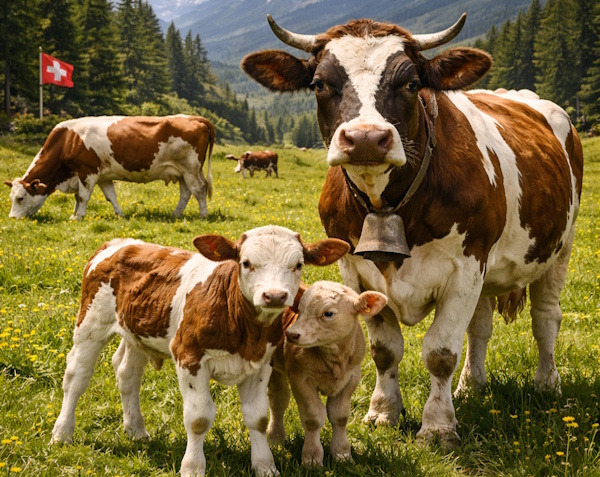
Many tourists expect “wild animals” to be the main danger, but in some alpine areas the most realistic animal-related risk is actually livestock. Cows may be calm but can become protective, especially if calves are present. In some regions, herd protection dogs may guard sheep and goats.
How to Behave Around Cows
- Keep distance from calves and do not walk between cow and calf.
- Move calmly and do not run through a herd.
- Keep dogs on a leash; if cows approach, leave the area slowly.
How to Behave Around Herd Protection Dogs
- Do not approach the herd.
- Stay calm, do not shout, do not make fast movements.
- Keep your dog close and under control.
- Choose an alternative route if the trail passes directly through a guarded herd.
Practical Visitor Tips
Clothing and Gear
- Sturdy hiking shoes reduce risk from snakes and uneven terrain.
- Long trousers help against ticks and scratches in brushy areas.
- Carry a small first-aid kit (blister care, disinfectant, bandage).
Photography Tips (Safe Wildlife Photos)
- Use zoom instead of getting closer.
- Do not block an animal’s escape route.
- Avoid flash at night near animals and insects.
- Never handle snakes or “pose” with wildlife.
Budget Tip
If you want to reduce insect problems in summer, a simple budget-friendly tool is a small repellent spray and a mosquito net for accommodation in lake regions. It is often cheaper than buying products last minute at tourist locations.
Best Time to Visit (With Wildlife Risk in Mind)
- Spring (April–June): ticks begin to be active; snakes may appear on warm days.
- Summer (July–August): most insects, highest tick activity in many areas, best weather for hiking.
- Autumn (September–October): fewer mosquitoes; ticks can still be active depending on temperature.
- Winter (November–March): minimal animal-related risks; focus shifts to weather and snow safety.
How Long to Stay and How This Topic Affects Your Plan
“Dangerous animals” rarely changes how long you should stay in Switzerland. Most trips are planned around landscapes and activities, not wildlife risk. However, if you plan multi-day hikes, it is worth building a simple routine: tick checks, correct footwear, and awareness on sunny rocky slopes.
Combine Switzerland Wildlife Awareness with Other Sights
If you want to mix nature with classic Swiss highlights, these combinations work well:
- Base in Interlaken and take short day hikes plus lake cruises.
- Visit waterfalls and valleys such as Staubbach Falls or Trümmelbach Falls (low wildlife risk, easy paths).
- Combine mountain viewpoints like Schilthorn with gentle walks around lakes like Lake Thun.
Pros & Cons of Wildlife Awareness for Tourists
Pros
- More confidence on trails and in nature
- Better prevention of tick bites and avoidable problems
- Less fear due to correct identification and realistic risk assessment
Cons
- Some rules require small lifestyle changes (tick checks, repellent)
- Information overload can cause unnecessary worry if taken out of context
Is It Worth Worrying About Dangerous Animals in Switzerland?
For most travelers, Switzerland’s “dangerous animals” are manageable with simple awareness. You do not need special equipment or expert knowledge. The realistic approach is practical: protect against ticks, treat snakes with respect and distance, and take insect allergies seriously. If you do that, Switzerland remains one of the most comfortable countries in Europe for outdoor travel.
FAQ – Dangerous Animals in Switzerland
What is the most dangerous animal in Switzerland for tourists?
In practical terms, ticks are often the most relevant because they can transmit diseases and are easy to miss after hikes.
Are there venomous snakes in Switzerland?
Yes. Switzerland has two native venomous snakes: the Asp Viper and the European Adder. Bites are rare.
What should I do after a snake bite?
After a snake bite, always seek medical attention immediately. In Switzerland, call 144. Stay calm and limit movement.
Do wolves attack people in Switzerland?
Wolves generally avoid humans. Tourist encounters are rare and attacks are extremely unusual.
Are cows dangerous on hiking trails?
They can be if hikers approach calves or move through a herd carelessly. Keep distance, move calmly, and keep dogs under control.
What is the best prevention against ticks?
Wear appropriate clothing, use repellent, stay on trails when possible, and do tick checks after outdoor activities.
Ranking of the Most Dangerous Animals in Switzerland (by Real Risk)
🥇 1. Tick
Species: Ixodes ricinus (Common castor bean tick)
Real risk: High
Ticks are by far the most medically relevant animal risk in Switzerland.
They transmit:
-
Tick-borne encephalitis (TBE / FSME)
-
Lyme disease (Borrelia)
Thousands of infections are reported each year.
Most of Switzerland is considered a TBE risk area.
Ticks do not cause dramatic attacks — but statistically they pose the greatest health risk.
🥈 2. Cows
Species: Bos taurus (Domestic cattle)
Real risk: Medium to high
Every year, hikers are seriously injured by cows in alpine pastures.
The main danger occurs when:
-
A mother cow has a calf
-
A dog is present
-
People move quickly or get too close
Cows may look harmless, but they weigh 600–800 kg and can charge defensively.
🥉 3. Wasps & Bees
Species example: Vespula germanica (German wasp)
Real risk: Medium
For most people, stings are painful but harmless.
However, for allergic individuals, stings can cause:
-
Anaphylactic shock
-
Life-threatening reactions
Each year, there are fatal allergic reactions in Central Europe.
4. Wild Boar
Species: Sus scrofa
Real risk: Low to medium
Attacks are rare but can be serious.
Risk situations include:
-
Surprising the animal
-
A sow with piglets
-
Walking a dog in forest areas
Wild boars are strong and fast, but incidents are uncommon.
5. Venomous Snakes
Species:
-
Vipera aspis (Asp viper)
-
Vipera berus (European adder)
Real risk: Low
Switzerland has two native venomous snakes.
Snakebites occur occasionally, but:
-
Fatalities are extremely rare
-
Modern medical treatment is effective
They are far less dangerous statistically than cows or ticks.
6. Wolf
Species: Canis lupus
Real risk: Low
Wolves have returned to the Alps, but there are no documented attacks on humans in modern Switzerland.
7. Brown Bear
Species: Ursus arctos
Real risk: Low
There is no permanent bear population in Switzerland.
Occasional individuals enter from Italy, but encounters are exceptionally rare.
Summary Table
| Rank | Animal | Realistic Risk Level |
|---|---|---|
| 1 | Tick | High (disease transmission) |
| 2 | Cows | Medium–High (injuries) |
| 3 | Wasps / Bees | Medium (allergic reactions) |
| 4 | Wild Boar | Low–Medium |
| 5 | Venomous Snakes | Very Low |
| 6 | Wolf | Extremely Low |
| 7 | Brown Bear | Near Zero |
What People Often Misjudge
-
Wolves feel dangerous → risk is small
-
Snakes seem threatening → rare incidents
-
Ticks seem minor → highest medical relevance
-
Cows seem harmless → real injury source in alpine hiking areas